Biogas

Biogas

is one of the most widely alternative sources used to produce electricity and heat energy. It is produced by anaerobic fermentation of organic matter. The whole process can be considered carbon dioxide neutral, anks to the balance of of CO2 emission and consumption.


SMEA has developed a series of projects aimed at installing MW1 power plants in the provinces of Foggia and Avellino. In 2007 SMEA started the licensing procedure for 3 plants of a total capacity of 3 MW.


Biogas plants constructed and managed by SMEA...


E.U. considers biogas one of the non-fossil renewable energy sources that can provide not only energy autonomy but also the gradual lowering of environmental pollution and greenhouse effect.


Biomass

Biomass is any organic substance resulting directly or indirectly from photosynthesis, the process occurring in plants that converts carbon dioxide (CO2) and water into organic compunds for the plant growth and releasing oxygen as a waste product.


Biomass is specificcally used to generate energy (bioenergy) or can be converted into fuels (biofuels). The biomass used comes usually from specific or oilseed crops. Biomass can also derive from waste agricultural end/or manufacturing products, such as harvested wood, agricultural and forest waste, food industry waste, cattle and urban waste.

By using these materials as energy sources we can both eliminate some waste and produce electricity, thus reducing also the use of fossil sources, such as oil. In terms of emissions, the amount of carbon dioxide emitted by biomass power plants is the same as that absorbed by plants to produce the same biomass amount.


In this energy cycle, in fact, the amount of carbon dioxide (CO2) absorbed by plants is equal to that emitted during the combustion required to produce energy. Other clear advantages related to biomass are: abundance, easy availability, low cost, renewability. From an environmental point of view, biomass does not contribute to the greenhouse effect; having a low sulfur content it also does not contribute to acid rain production.


Fotosintesi ClorofillianaFinally, at the end of their cycle it is a potential fertilizer. Its use in energy development gives development and job opportunities in depressed areas.


Technology

Conversion technologies are of to two main categories: thermochemical biochemical conversions. In the thermochemical process heat is the dominant mechanism to convert the biomass into another chemical form: it allows the chemical reactions necessary to turn matter into energy. The biomass used for thermochemical conversion can be: wood and its derivatives (sawdust, chips), the most common lignocellulosic products of farming origin (cereal straw, waste from grapevine and fruit pruning) and production waste (chaff, husk, shells, stones).


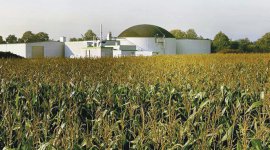
Esempio di impianto a biogas - prodotto da SCHMACK BIOGAS

Biochemical conversion makes use of chemical reactions due to enzymes of bacteria and other micro-organisms to break down biomass and produce energy. The most used biomass in this case can be: aquatic cultures, some farming products (leaves and stems of beet, vegetables, potatoes), livestock waste, some scraps and types of urban and industrial wastewater.


From a technological standpoint, some processes used for biomass conversion into energy are now considered enough competitive to be applied on an industrial scale, while others still require testing and research in order to increase their efficiency and reduce cost.


Biomass exploitation around the world

Biomass meet about 15% of primary energy consumption (ie electricity and heat) worldwide, with 1,230 Mtoe per year, or 1.230 billion tons of oil equivalent, corresponding to the oil amount that should have been used to produce the same amount energy through the use of fossil fuels.


Developing countries, with 1,074 Mtoe biomass per year, meet 38% of their energy demand. In many cases, however, its exploitation gets to 90%. In industrialized countries, biomass contribute for 3% only to primary energy consumpion, with 156 Mtoe per year. The U.S. use bioenergy for only 3.2% of their needs, Europe 3.5%, with peaks of 18% in Finland, 17% in Sweden, 13% in Austria. Italy, with its 2.5%, is well below the European average.

Advantages 

  1. Reduction of greenhouse gas emissions
  2. Reduction of polluting livestock waste and odour and water recovery
  3. Exploitation of selected waste collection (OFMSW)
  4. Valorisation of waste from agro-industrial activities
  5. Reduction of energy vulnerability
  6. Income support in agriculture and product diversification
  7. Logistics optimization of the waste process
  8. New development opportunities for marginal and mountain areas.

News

Eolica Expo 2011
Anche quest'anno SMEA rinnova la sua presenza ad Eolica Expo 2011.   Siamo lieti di ospitarvi presso il ns stand B11 - Hall 8    
Installazione turbine eoliche jim25 SMEA srl 3R
Completata l'installazione di due turbine eoliche con una potenza complessiva di 50kw, presso il sito produttivo di Ariano Irpino.

Energia prodotta dal 2008 ad oggi:

103266131
kWh

CO2 non dispersa nell'ambiente:

69704639
Kg

Iscriviti per essere sempre aggiornato.


Registrati ora!

Languages


SMEA s.r.l. - P.I. IT04236040657 - info@smeaenergie.it